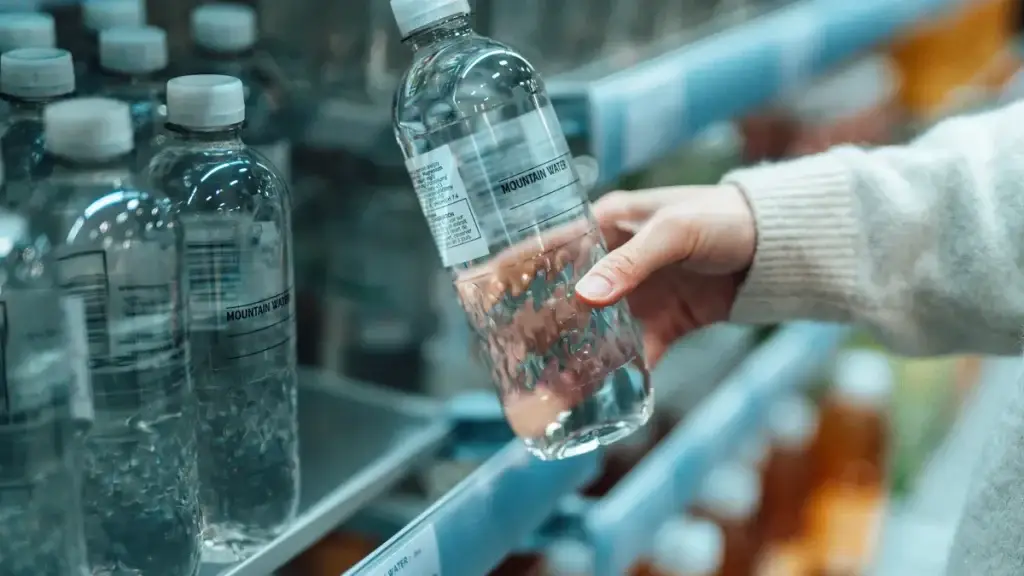

SoHo’s cast-iron landmarks and converted lofts give the neighborhood its character, but those same historic structures shape the water flowing from your tap in ways many residents never consider. If you want a clear picture of what you are drinking, one of the trusted water testing laboratories Manhattan can measure exactly what comes out of your faucet. This guide helps homeowners, property managers, and residents understand why water quality varies across SoHo buildings and what you can do about it.
Why Water Quality Differs From One SoHo Building to the Next
New York City delivers the same high-quality water to every neighborhood, drawn from the Catskill, Delaware, and Croton watersheds and treated to meet strict federal and state standards. That water leaves the main line clean and safe. What happens after it enters your building tells a different story.
SoHo is packed with 19th-century cast-iron buildings, former factories, and loft conversions. The plumbing inside these structures ranges widely in age and condition. Two lofts on the same block can produce noticeably different water simply because of the pipes, tanks, and fixtures between the street main and the kitchen sink. The building, not the city supply, usually explains why your water tastes, smells, or looks different from a neighbor’s.
How SoHo’s Historic Buildings Affect Your Water
The features that make SoHo architecture beautiful can also introduce water quality challenges. Older infrastructure carries specific risks worth understanding.
Aging Pipes and Corrosion
Many SoHo buildings still run water through decades-old pipes. Corroded plumbing adds rust, metallic tastes, and particles to your water. Corrosion can also release metals such as iron and copper, changing both the appearance and the safety profile of what you drink.
Lead Service Lines and Fixtures
Buildings constructed before modern plumbing codes may contain lead pipes, lead solder, or brass fixtures. Lead leaches into standing water and carries no taste, smell, or color. This makes it one of the most serious risks in older housing, precisely because your senses cannot detect it.
Rooftop Water Tanks
Like much of Manhattan, many SoHo buildings store water in rooftop tanks. A well-maintained tank keeps water clean, but a neglected one collects sediment, bacteria, and debris. That buildup flows down into the units below and changes the taste and safety of the supply.
Loft Conversions and Mixed Plumbing
Former commercial and industrial spaces converted into residential lofts often carry a patchwork of old and new plumbing. Renovations may leave original pipes in place behind newer fixtures, creating inconsistent water quality throughout a single building.
Common Water Quality Issues Residents Notice
SoHo residents report a recognizable set of complaints. Each one points toward a possible cause worth testing.
- Cloudy or discolored water: This often signals sediment, rust, or corrosion inside aging pipes.
- Metallic taste: This suggests iron, copper, or other metals entering the water from corroded plumbing.
- Chlorine or pool-like smell: This usually reflects normal city disinfection, though it can mask other issues.
- Musty or earthy odor: This can trace back to buildup inside rooftop tanks or organic matter in the plumbing.
- Low or inconsistent pressure: This can point to mineral buildup, corrosion, or partial blockages in older lines.
These signs give you a starting point, but appearance and smell only tell part of the story. Lead and many other contaminants leave no trace you can detect on your own.
What SoHo Property Managers Should Know
Property managers carry responsibility for water quality across entire buildings, not just individual units. A single tenant complaint often reflects a broader condition affecting multiple apartments.
Rooftop tanks require regular inspection and cleaning to stay safe. Aging risers and service lines can introduce lead or metals building-wide. Documented water testing protects tenants, supports maintenance planning, and provides a clear record if questions ever arise. For a manager overseeing a historic SoHo property, testing is a practical tool for both safety and accountability.
Why Professional Testing Beats Guesswork
Your senses can flag an obvious problem, but they cannot measure it. Certified laboratory testing gives you exact numbers instead of assumptions.
A professional analysis measures lead, bacteria, chlorine, chlorination byproducts, metals such as iron and copper, pH, hardness, and more. Those results tell you precisely what is present and at what levels. That clarity matters, especially in older SoHo buildings where invisible contaminants like lead pose the greatest risk. Testing also helps you choose the right filtration system by identifying exactly what needs to be removed.
When to Test Water in Your SoHo Building
Certain situations make testing especially worthwhile. Consider scheduling an analysis if any of these apply.
- You notice a sudden change in taste, smell, color, or pressure.
- You live in or manage a building constructed before modern plumbing codes.
- Your building relies on a rooftop tank you cannot easily inspect.
- Someone in your home is pregnant, an infant, elderly, or immunocompromised.
- You recently moved into a loft conversion with unclear plumbing history.
- You plan to install a filter and want to target the right contaminants.
Steps You Can Take to Improve Your Water
Once testing reveals what you are dealing with, you can act with purpose. A few practical measures help in many SoHo buildings.
- Flush standing water: Run cold water for a short time before drinking, especially after water has sat in the pipes overnight.
- Install a certified filter: Choose an activated carbon or specialized filter matched to the contaminants your test identifies.
- Push for tank maintenance: Ask your building or manager to document rooftop tank cleaning and inspection schedules.
- Address lead directly: If testing finds lead, use a filter certified for lead removal and consider replacing older fixtures.
Frequently Asked Questions
Why does my SoHo loft have different water quality than my neighbor’s?
The city delivers the same water to your block, so differences usually come from your building’s internal plumbing. Pipe age, corrosion, lead fixtures, and rooftop tank condition all vary between buildings and even between units, which changes the taste, smell, and safety of what reaches your tap.
Can old plumbing in historic SoHo buildings put lead in my water?
Yes. Buildings constructed before modern plumbing codes may still contain lead pipes, solder, or brass fixtures that leach lead into standing water. Lead carries no taste, smell, or color, so laboratory testing is the only reliable way to know whether it is present.
How do rooftop water tanks affect the water in my building?
Rooftop tanks store water before it flows down to your unit. A clean, well-maintained tank keeps water safe, but a neglected one collects sediment, bacteria, and debris that flow into the apartments below. Regular inspection and cleaning are essential in tank-fed buildings.
What should I do if my SoHo tap water tastes metallic?
A metallic taste often points to iron, copper, or corrosion in aging pipes. Start by testing your water to identify which metals are present and at what levels. Based on the results, a certified filter and, in some cases, fixture or pipe replacement can resolve the issue.
How often should property managers test water in older buildings?
Managers of historic SoHo buildings benefit from routine testing, plus additional testing whenever tenants report changes or after plumbing work. Regular analysis documents safety, supports maintenance planning, and helps catch problems like lead or tank contamination before they affect residents.
Know Exactly What Flows Through Your SoHo Building
SoHo’s historic buildings are worth celebrating, but their age means water quality deserves real attention rather than assumptions. The city supply arrives clean, yet aging pipes, lead fixtures, and rooftop tanks can change everything by the time water reaches your tap. Certified testing gives you the facts, identifies hidden risks like lead, and points you toward the right solution. Whether you own a loft, rent an apartment, or manage a building full of tenants, professional analysis protects the people who depend on that water every day. Schedule a test, review the results, and take control of your water quality with confidence.