Water quality is one of the most important yet often overlooked aspects of maintaining a safe and healthy residential property, and water testing services can help identify issues before they become more serious. In Queens, New York, homeowners and landlords rely on a municipal water supply that is widely recognized for its quality and reliability. However, the journey water takes from the city’s reservoirs to the tap inside a home or apartment introduces multiple variables that can significantly affect its safety, taste, and overall condition. While New York City provides treated water that meets strict regulatory standards, the plumbing systems within individual properties ultimately determine the quality of the water that residents consume.
For homeowners, landlords, and building managers in Queens, understanding the importance of professional water testing services is essential. Whether managing a single-family home in Bayside, a multi-unit rental property in Jackson Heights, or a co-op building in Forest Hills, the potential for water quality issues exists in every type of property. These issues can stem from aging infrastructure, outdated plumbing materials, corrosion, sediment buildup, or bacterial growth within internal systems. Professional water testing provides a clear, science-based understanding of what is actually present in the water, allowing property owners to make informed decisions about safety and maintenance.
How Water Reaches Queens Homes and Why Testing Matters
New York City’s drinking water originates from protected upstate reservoirs and travels through an extensive distribution system before reaching Queens neighborhoods. By the time water arrives at a property, it has undergone treatment processes designed to remove contaminants and ensure compliance with health standards. However, once water enters a building’s plumbing system, it is no longer under the control of municipal infrastructure. Instead, it interacts with pipes, fixtures, and storage systems that vary widely in age, material, and condition.
This is where water testing becomes critical. Even if the incoming water supply is clean, internal plumbing can introduce contaminants such as lead, copper, iron, and other heavy metals. Corrosion within pipes can alter water chemistry, while sediment accumulation can affect clarity and taste. In some cases, stagnation within rarely used sections of plumbing can create conditions that allow bacteria to develop. These factors make it impossible to assess water quality based solely on municipal reports or assumptions.
Professional water testing services bridge this gap by analyzing water directly at the point of use. Certified sampling procedures ensure accurate results, while laboratory analysis provides detailed insights into the composition of the water. For Queens residents, this level of testing is essential for verifying potability and identifying potential risks that may not be visible or immediately noticeable.
Common Water Quality Concerns in Queens Properties
Queens is a diverse borough with a wide range of property types, many of which were built decades ago. As a result, water quality concerns often reflect the condition of aging infrastructure and the materials used in plumbing systems.
Lead and Plumbing Materials
Lead contamination is one of the most significant concerns in older homes and buildings. Lead service lines, lead solder, and older fixtures can introduce this hazardous metal into drinking water, particularly when corrosion is present. Because lead exposure can have serious health effects, especially for children, professional testing is essential for identifying and addressing this risk.
Heavy Metals and Corrosion
Corrosion within plumbing systems can cause metals such as copper, iron, and manganese to leach into the water supply. This not only affects safety but can also result in visible issues such as discoloration and staining. Corrosion is influenced by water chemistry and pipe materials, making it a complex issue that requires professional analysis.
Bacteria and Microbial Growth
While municipal water is disinfected, bacteria can still develop within building plumbing systems. Stagnant water, biofilm formation, and inadequate maintenance can create environments where microbial growth occurs. Testing for bacteria such as total coliform and E. coli is essential for ensuring that water remains safe for consumption.
Taste, Odor, and Discoloration
Changes in taste, smell, or appearance often indicate underlying issues within the plumbing system. Metallic taste, sulfur-like odors, or brown water can all be signs of corrosion, sediment buildup, or contamination. These issues not only affect water quality but also reduce confidence in the safety of the water supply.
The Role of Professional Water Testing Services
Professional water testing services provide a comprehensive approach to evaluating water quality in Queens properties. Unlike basic home testing kits, which offer limited information, professional services involve certified sampling, laboratory analysis, and expert interpretation.
Certified Sampling Procedures
Accurate water testing begins with proper sample collection. Certified professionals follow standardized protocols to ensure that samples are representative of actual water conditions. This may include collecting first-draw samples to detect contaminants that accumulate during stagnation, as well as flushed samples to evaluate ongoing water quality.
Laboratory Water Analysis
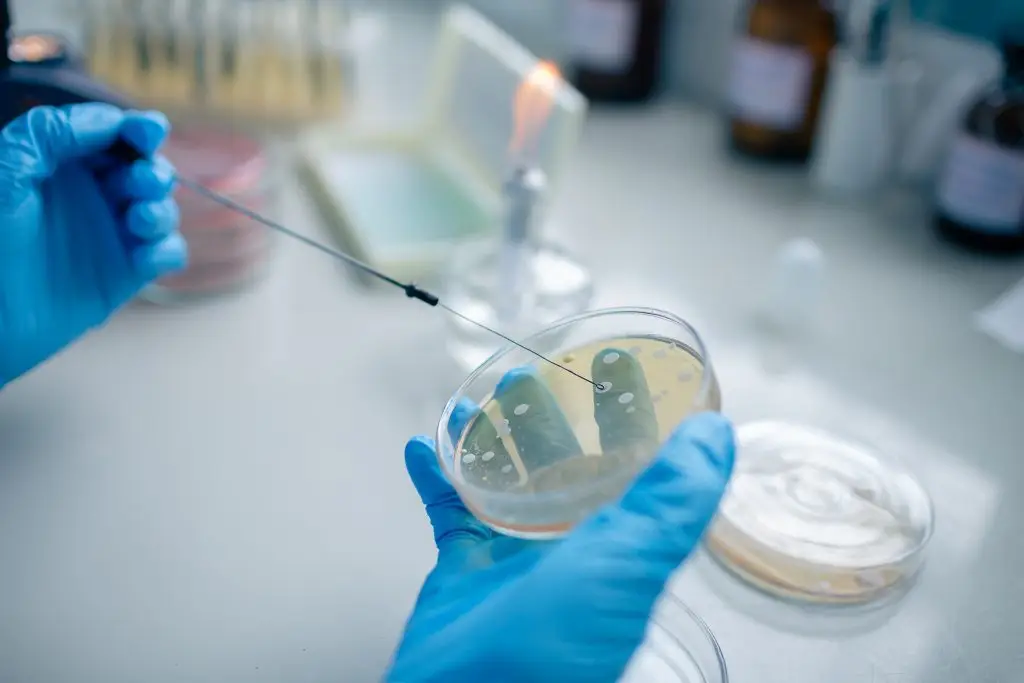
Samples are analyzed in certified laboratories using advanced equipment capable of detecting contaminants at very low concentrations. These laboratories test for a wide range of substances, including heavy metals, bacteria, and chemical contaminants. The results provide a detailed profile of the water’s composition.
Expert Interpretation and Recommendations
Laboratory results alone are not enough to fully understand water quality. Professional consultants interpret the data and identify the sources of any detected contaminants. They also provide recommendations for addressing issues, whether through plumbing repairs, corrosion control, or water treatment solutions.
Why Queens Homeowners Should Prioritize Water Testing
For homeowners in Queens, water testing is an important part of maintaining a safe and comfortable living environment. Even in newer homes, plumbing materials and system design can influence water quality in unexpected ways.
Regular testing provides peace of mind by confirming that drinking water meets safety standards. It also helps identify potential issues before they become more serious, allowing homeowners to take proactive steps to protect their families. For those purchasing a new home, water testing can reveal hidden problems that may not be apparent during a standard inspection.
In addition, testing can improve the overall quality of daily life. Addressing issues such as taste, odor, and discoloration enhances the usability of water for drinking, cooking, and cleaning. By investing in professional testing services, homeowners gain a clear understanding of their water and the steps needed to maintain its quality.
Water Testing for Landlords and Property Managers
Landlords and property managers in Queens have a responsibility to provide safe living conditions for tenants, and water quality is a key component of that responsibility. In multi-unit buildings, plumbing systems are often more complex, increasing the likelihood of uneven water quality across different units.
Professional water testing helps landlords identify and address issues before they lead to tenant complaints or regulatory concerns. It also demonstrates a commitment to safety and transparency, which can improve tenant satisfaction and trust.
Testing is particularly important in older buildings, where outdated plumbing materials and infrastructure can pose significant risks. By working with certified water testing companies and laboratories, property managers can ensure that their properties meet safety standards and maintain consistent water quality for all residents.
When to Schedule Professional Water Testing
There are several situations in which Queens homeowners and landlords should consider scheduling professional water testing:
- After purchasing a property
- Following plumbing repairs or renovations
- When experiencing changes in taste, odor, or color
- If the property has older plumbing materials
- As part of routine maintenance every 1–2 years
Testing during these times provides valuable insights into water quality and helps prevent potential issues from going unnoticed.
The Importance of Certified Laboratories and Experts
Not all water testing services are the same, and the accuracy of results depends heavily on the methods and expertise involved. Certified laboratories follow strict standards to ensure reliable analysis, while experienced consultants provide the knowledge needed to interpret results correctly.
For Queens residents, working with professional water testing companies ensures that testing is conducted properly and that results are both accurate and actionable. This level of expertise is essential for addressing complex issues such as corrosion, mixed-material plumbing systems, and emerging contaminants.
Protecting Water Quality in Queens Properties
Maintaining safe drinking water requires a combination of awareness, testing, and proactive management. While municipal water systems provide a strong foundation, the condition of internal plumbing ultimately determines the quality of water at the tap.
By investing in professional water testing services, homeowners and landlords in Queens can identify potential risks, address plumbing-related issues, and ensure that their water remains safe for everyday use. Certified sampling, laboratory analysis, and expert guidance provide a comprehensive approach to water quality management, offering both peace of mind and practical solutions.
Conclusion: A Smart Investment in Health and Property Value
Water testing is not just a precaution—it is an essential step in protecting both health and property value. For Queens homeowners and landlords, understanding the true condition of drinking water provides clarity in an area that is often misunderstood or overlooked.
With the support of certified laboratories and experienced water testing professionals, property owners can confidently assess their water quality and take appropriate action when needed. Whether addressing concerns about lead, bacteria, heavy metals, or overall potability, professional testing ensures that decisions are based on accurate data rather than assumptions.
In a borough as diverse and dynamic as Queens, where property types and plumbing systems vary widely, water testing offers a reliable path to safer, cleaner, and more dependable drinking water for everyone.