
For parents in Queens, the “World’s Borough,” daily life is a whirlwind of school runs, park visits to Flushing Meadows, and navigating the unique challenges of New York City living, and water testing labs can provide added peace of mind about the safety of the very water our children drink. However, with the aging infrastructure that characterizes many of our neighborhoods, from the historic row houses of Ridgewood to the mid-century developments in Bayside, the conversation around lead in drinking water is more relevant than ever.
Lead is a potent neurotoxin, and while New York City has made incredible strides in water safety, the “final mile” of delivery the pipes within your building or home remains the primary point of concern. This guide is designed to help Queens parents understand the risks, identify the signs, and take actionable steps to protect their families.
The Reality of Lead in an Aging Borough
It is a common misconception that New York City’s water is inherently “led-laden.” In reality, the water that leaves our upstate reservoirs is lead-free. The issue arises when that water travels through older service lines (the pipes connecting the street main to your home) or through internal plumbing that contains lead solder or brass fixtures.
Queens is home to a massive variety of Queens property types, ranging from pre-war apartment complexes to post-war single-family homes. Many of these structures were built during eras when lead was the standard material for plumbing. While the city treats the water to be non-corrosive, physical disturbances such as nearby road construction or water main repairs can knock lead particles loose and into your tap.
Why Children are Most Vulnerable
As parents, we know that children aren’t just small adults; their bodies are rapidly developing. According to the American Academy of Pediatrics (AAP), there is no safe blood lead level in children. Lead exposure can lead to:
- Lowered IQ and learning disabilities.
- Behavioral issues and hyperactivity.
- Impaired growth and hearing loss.
Because children absorb lead more efficiently than adults, even low-level exposure over a long period can have significant developmental impacts. This is why many local families are increasingly turning to professional testing services to get a definitive answer on their home’s water quality.
Identifying the Source of the Problem
How do you know if your home is at risk? In Queens, the age of your neighborhood is often the biggest clue. Areas like Astoria, Long Island City, and Woodhaven feature many buildings constructed before the 1961 ban on lead pipes.
However, lead isn’t just found in pipes. It can hide in:
- Lead Solder: Used to join copper pipes until the late 1980s.
- Brass Fixtures: Even “lead-free” faucets manufactured before 2014 could legally contain up to 8% lead.
- Galvanized Pipes: These can trap lead particles from old service lines and release them over time.
Because you cannot see, taste, or smell lead, the only way to identify it is through laboratory analysis. While the city offers free kits, many parents find that these have limitations in sensitivity and don’t always provide the detailed “first draw” and “flushed” comparisons needed to pinpoint exactly where the lead is coming from.
Simple Steps to Reduce Risk Immediately
While you wait for professional results, there are several “best practices” every Queens parent should implement:
- Run the Cold Water: If the water hasn’t been used for several hours (like in the morning or after school), let it run for 30 seconds to two minutes before using it for drinking or cooking.
- Use Cold Water for Cooking: Never use hot water from the tap to make baby formula or cook pasta. Hot water dissolves lead more quickly than cold water.
- Clean Aerators Regularly: The small screens at the end of your faucets can trap lead sediment. Unscrew them and rinse them out every few months.
- Identify Your Service Line: If you have access to your basement, check where the water pipe enters the wall. Lead pipes are dull gray, soft, and can be scratched easily with a key to reveal a shiny, silver color.
For those dealing with specific water quality problems, these habits are an essential first line of defense, but they are not a permanent solution.
The Power of Professional Testing
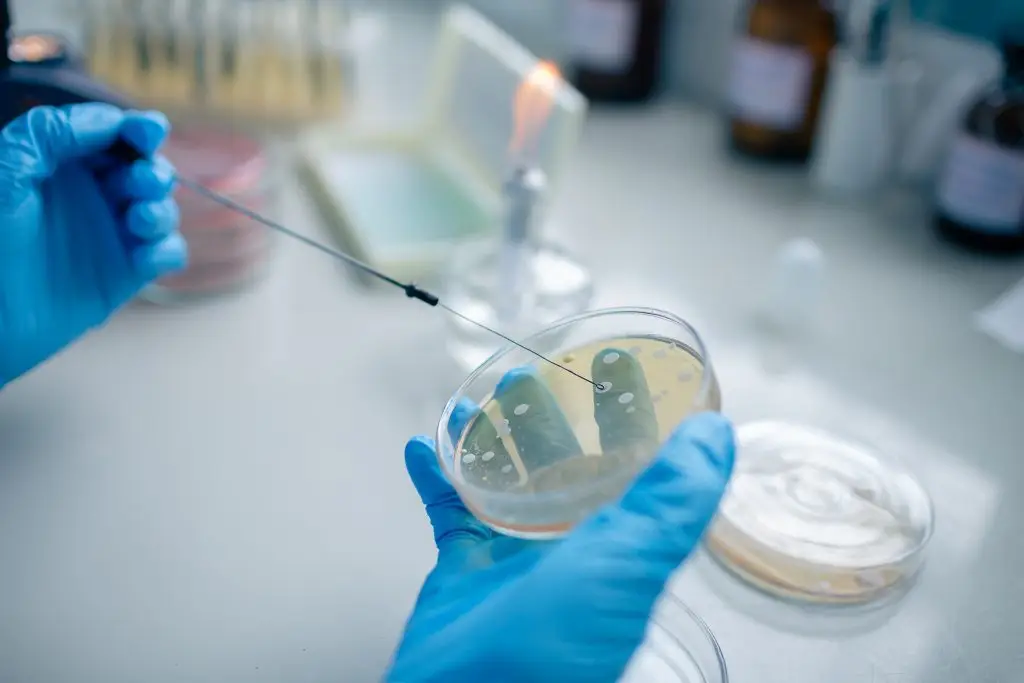
Many parents ask, “Why should I pay for testing when there are DIY kits?” The answer lies in the precision required for health-based decisions. Professional laboratories use Inductively Coupled Plasma Mass Spectrometry (ICP-MS) to detect lead at the parts-per-billion ($ppb$) level.
A professional technician doesn’t just fill a bottle; they evaluate your home’s layout. They might take samples from the kitchen sink, the bathroom where your kids brush their teeth, and the nursery. This localized data is crucial. If the lead is only present in the kitchen, you might only need an under-sink filter. If it’s present everywhere, it suggests a problem with the service line or the building’s main header.
For families across various locations in Queens, this data provides peace of mind that a “pass/fail” strip simply cannot offer. It allows you to make informed investments in filtration rather than guessing.
Choosing the Right Filter
If your test results show elevated lead, don’t panic. Modern filtration technology is incredibly effective. However, not all filters are created equal. Look for filters certified by NSF/ANSI Standard 53 specifically for lead reduction.
- Point-of-Use (POU) Filters: These include pitcher filters and under-sink units. They are excellent for targeted protection at the drinking water tap.
- Point-of-Entry (POE) Systems: These treat water as it enters the house, protecting every faucet, though they are a more significant investment.
Navigating the Conversation with Landlords
If you live in a multi-family building in Jackson Heights or Forest Hills, the plumbing isn’t always under your control. In New York City, landlords are required to maintain the building in a habitable condition, which includes safe water.
Having a certified laboratory report in hand is your strongest tool when speaking with a landlord or building management. It moves the conversation from a “suspicion” to a documented health concern. If you’re unsure how to interpret your results or what to ask your landlord, checking a local faq can provide clarity on NYC-specific regulations and standards.
Community Awareness and Education
The more we talk about water safety, the safer our borough becomes. Sharing information through school PTAs and neighborhood Facebook groups helps other parents realize that water testing is a standard part of modern home maintenance, much like checking smoke detectors.
Our blog is a resource for Queens residents to stay updated on local water trends, including city-wide pipe replacement initiatives and new research on environmental health. Education is the first step toward advocacy.
Conclusion: Taking Control of Your Home Health
As a Queens parent, you do everything in your power to provide a safe environment for your children to grow. In an urban landscape where so many factors are outside of our control, water quality is one area where we can take definitive action.
Whether you live in a historic home or a modern apartment, knowing exactly what is in your water is a fundamental right. Don’t wait for a “notice” from the city or a change in your water’s appearance. The most dangerous contaminants are the ones you can’t see.
If you have concerns about lead in your home or are curious about the water quality in your specific neighborhood, the best step is to contact a professional for an assessment. By identifying risks early, we can ensure that our children’s futures are as bright and healthy as they deserve to be. Taking charge of your water safety today is a small investment that pays dividends in your family’s health for years to come.