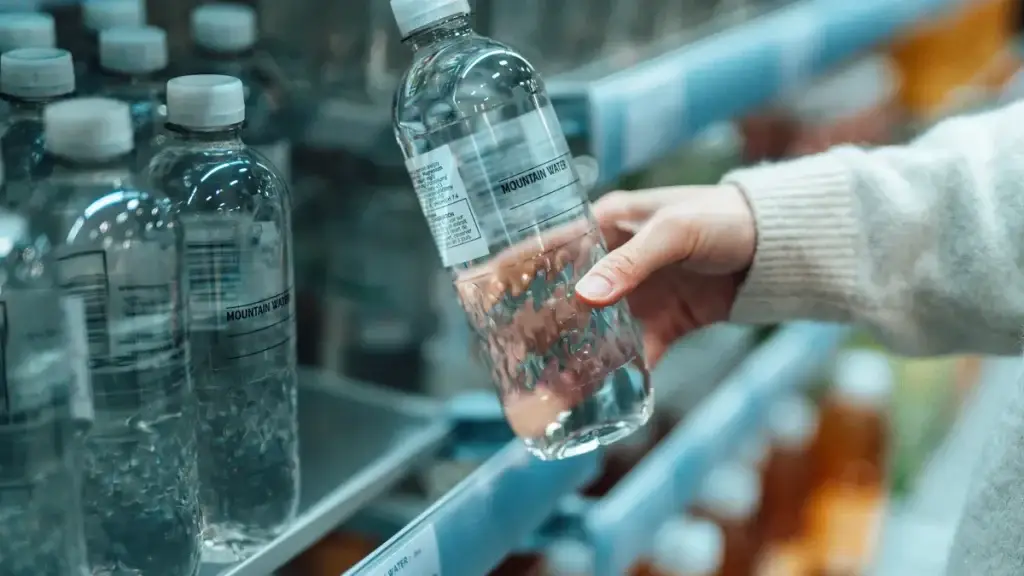

Water testing laboratories help homeowners identify the cause of unexpected changes in their tap water before they become bigger concerns. It is natural to feel alarmed when you turn on the tap and the water doesn’t look the way it should. Whether it appears brown, yellow, cloudy, or has a strange odor, your first instinct is to worry about your family’s safety. While many discoloration issues in NYC homes are temporary and often linked to infrastructure disturbances or aging plumbing, professional testing is the best way to determine whether the problem is merely aesthetic or requires further attention.
Here is a practical guide on how to identify the cause and take the right steps to keep your household safe.
1. Initial Assessment: Stay Calm and Stop
If the water appears discolored, do not drink, cook, or bathe with it until you have identified the source.
- Pause usage: Turn off faucets, washing machines, and dishwashers to prevent staining laundry or damaging appliances with sediment.
- Observe: Take note of the color (brown, yellow, milky white) and the timing. Does it happen at every tap, or just one? Does it only occur with hot water?
2. Identify the Scope
Perform a quick “audit” of your plumbing to narrow down the origin:
- Check multiple faucets: If the discoloration is at every tap, it is likely a broader issue (municipal water main or building-wide pipes). If it is only at one sink, the issue is likely isolated to that fixture or the pipe leading to it.
- Compare hot vs. cold: If only the hot water is discolored, the culprit is likely your water heater. Sediment often builds up at the bottom of the tank and gets stirred up when you draw hot water.
- The “Clear” Test: Run the cold water for 2–5 minutes.
- If it clears: The issue was likely sediment that had settled in your pipes or was disturbed by nearby construction.
- If it persists: You are dealing with a more significant issue like internal pipe corrosion or an ongoing water main disruption.
3. Common Causes of “Wrong-Looking” Water
- Cloudy or Milky Water: This is almost always caused by tiny air bubbles. Fill a glass and let it sit for a few minutes; if it clears from the bottom up, it is just trapped air and is not a health concern.
- Brown, Yellow, or Orange Water: This is typically iron or manganese sediment. In NYC, this is often caused by rust in aging building pipes or water main work/hydrant flushing in your neighborhood.
- Strange Odors: If the water smells like chemicals or rotten eggs, it may indicate bacterial growth in the water heater or issues with your plumbing traps.
4. Taking Action
- Report it to 311: If you are in New York City and the water remains discolored, call 311 or file a report online. This is the most effective way to alert the NYC Department of Environmental Protection (DEP). They track these reports to determine if a water main needs flushing in your area.
- Consult a Professional: If the problem is persistent, recurring, or only happening in your specific unit, it is time to contact a licensed plumber. They can inspect your internal pipes for corrosion or service your water heater.
- Independent Testing: If you are concerned about lead or other invisible contaminants that don’t change the water’s appearance, visual checks aren’t enough. Professional water quality testing is the only way to get a definitive answer.
Moving Forward
You don’t need to be a chemist to manage your home’s water. By following these steps, you can distinguish between a temporary nuisance and a sign that your infrastructure needs attention.
For more information on common water quality concerns and how we help families across Queens get clear answers, explore our FAQ section. If you need a professional assessment to ensure your water is safe for your family, contact our team today. We can help you identify the specific issues affecting your property type and guide you toward a long-term solution.
For ongoing tips on maintaining the integrity of your home’s plumbing, keep an eye on our blog for further updates.
Are you currently dealing with persistent discoloration in your home, and would you like to know how a professional assessment can help you distinguish between local pipe corrosion and larger infrastructure issues?