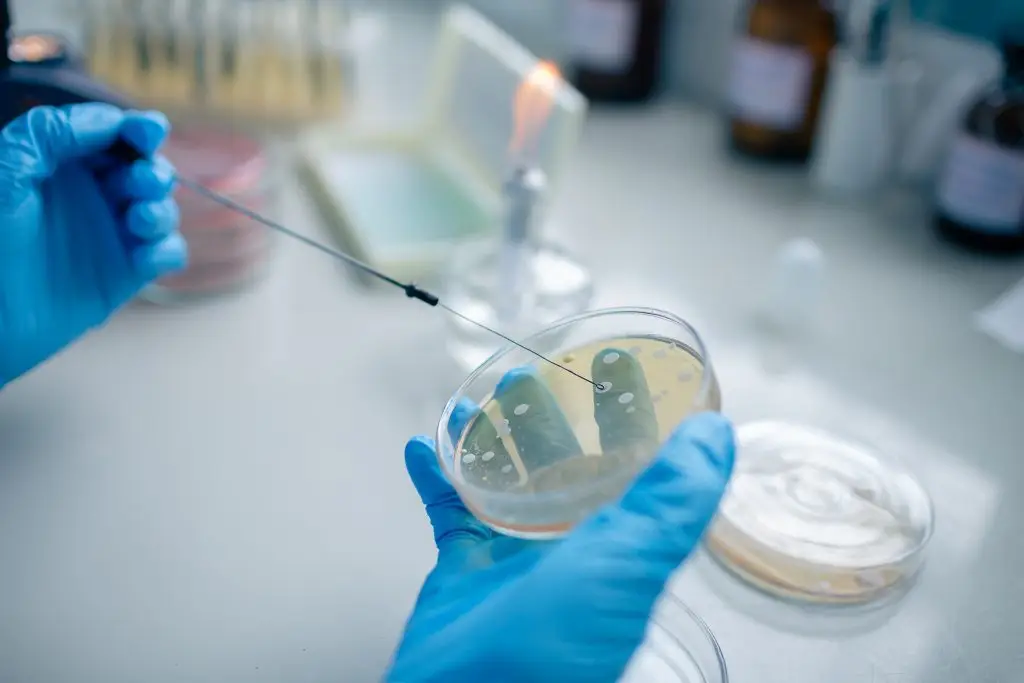
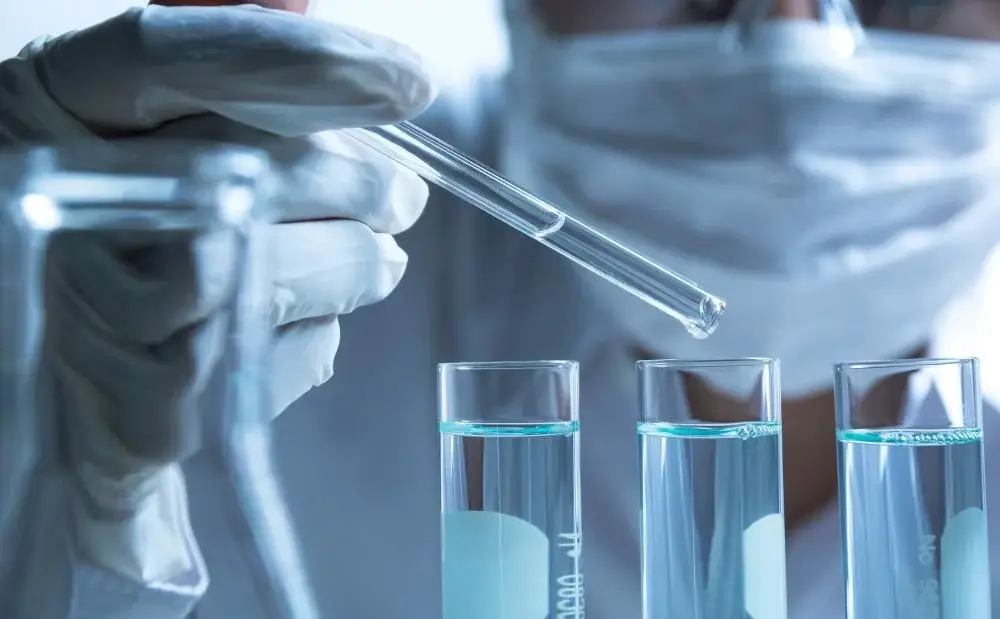
Water Testing Companies NYC play an important role in residential water safety, especially as 2026 continues the aggressive push to eliminate lead service lines. While the focus on heavy metals is vital, it has inadvertently pushed another critical threat into the shadows: microbiology. Many modern homeowners view bacterial contamination as a relic of the past or a “well water only” concern, but recent urban outbreaks have proven that bacteria testing is not just a secondary check, it is a cornerstone of any serious home wellness program.
Whether you are in a detached home in Bayside or a luxury high-rise, the “final mile” of your plumbing is a living environment. As municipal infrastructure ages and climate patterns shift, the biological integrity of our tap water deserves a renewed level of respect and rigorous monitoring.
The 2026 Reality: Urban Biofilms and Emerging Pathogens
The narrative that city water is “sterile” because of chlorination is a dangerous oversimplification. While New York City’s water is treated to meet stringent standards, the residual chlorine levels can drop significantly by the time water reaches your faucet, especially in large buildings or homes with “dead legs”—pipes that are rarely used.
When chlorine levels dissipate, biofilms begin to form. These are sticky, protective layers of microorganisms that adhere to the inside of your pipes. Biofilms act as a “safe harbor” for opportunistic pathogens, protecting them from the city’s disinfectants. According to recent reports from the NYC Department of Health, 2025 and early 2026 have seen a spike in localized Legionella cases specifically linked to the internal plumbing of large residential complexes. These “Opportunistic Pathogens of Premise Plumbing” (OPPPs) are now a primary focus for testing services that specialize in high-density urban environments.
Why “Standard” Tests Miss the Full Picture
Most basic bacterial tests look for Total Coliform or E. coli as indicators of fecal contamination. While these are essential for public health, they do not tell the whole story of your home’s microbial health. A serious residential program in 2026 should include:
- Heterotrophic Plate Count (HPC): This measures the overall bacterial population in your water. A high HPC doesn’t necessarily mean the water is “toxic,” but it indicates that your pipes are a breeding ground for microorganisms, signaling a failure in your home’s “disinfection barrier.”
- Legionella Pneumophila: Particularly in older Queens property types or buildings with complex hot water systems, testing for Legionella is the only way to identify a risk before it becomes a respiratory crisis.
- Pseudomonas Aeruginosa: Often found in the biofilm of kitchen sinks and showerheads, this bacterium can cause skin rashes and ear infections, especially in households with small children or immunocompromised members.
The Impact of Infrastructure and Climate
Queens is currently undergoing massive utility upgrades. While these projects are necessary, they are also disruptive. Water main breaks and the subsequent pressure drops can create a “back-siphonage” effect, drawing bacteria from the surrounding soil into the clean water line.
Furthermore, 2026 has brought record-breaking summer temperatures to the Northeast. Bacteria thrive in warmth; as groundwater and pipe temperatures rise, the rate of microbial growth accelerates. Residents who monitor their locations for nearby construction or utility work are increasingly realizing that these events are the most critical times to verify their water’s biological safety.
Addressing Microbial Water Quality Problems
If a lab report identifies a bacterial issue, the solution is rarely “boil your water forever.” Professional analysis allows for targeted remediation:
- Shock Chlorination: For single-family homes, a professional “shock” of the plumbing system can eradicate biofilms and reset the microbial baseline.
- UV Disinfection: Many families are opting for ultraviolet (UV) systems that provide a final “kill step” at the point of entry, ensuring that even if city chlorine drops, the water remains biologically safe.
- Point-of-Use Filtration: High-quality filters can remove bacteria at the kitchen tap, though they must be changed regularly to prevent the filter itself from becoming a bacterial reservoir.
Integrating Microbiology into Home Maintenance
In 2026, the most sophisticated homeowners are treating water testing as a routine part of their “medical history” for the house. They consult a faq to understand the difference between “benign” and “pathogenic” bacteria and stay updated via a local blog to learn about seasonal spikes in microbial activity.
Bacterial testing belongs in every serious water program because it is the only way to detect the “living” threats that heavy metal screens miss. As we invest in new faucets and cleaner pipes, we must also invest in the data that proves our water is biologically sound.
Don’t let the invisible growth in your pipes go unchecked. To ensure your home’s water is safe from the inside out, contact us for a comprehensive microbiological audit. In the modern era, true safety requires a defense that accounts for every type of contaminant—including the ones that can breathe.