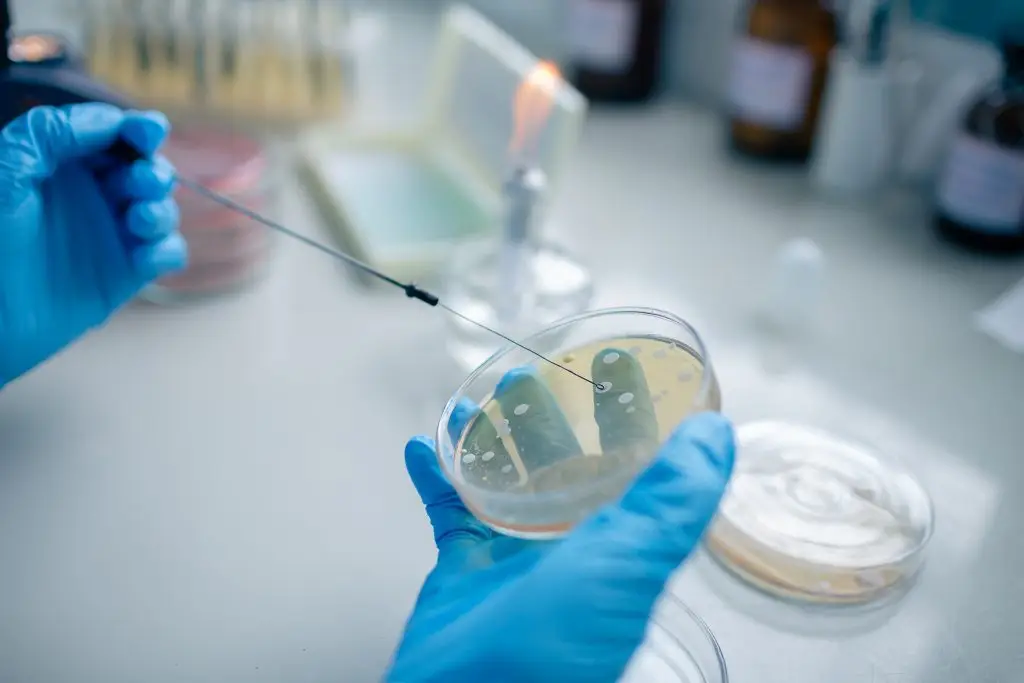

Water testing consultant NYC can help families in Queens identify hidden risks in their drinking water before they become a larger concern. As we navigate the first half of 2026, more parents are paying attention to the quality of the water used every day at home. Yet one environmental factor that often remains unnoticed is lead, especially in neighborhoods where older housing and modern towers exist side by side. In the “World’s Borough,” proactive testing is an important step toward protecting children and maintaining a healthier home.
For children, lead exposure is not just a “water problem” it is a developmental hurdle that can have lifelong consequences. This is why specialized testing services are now emphasizing pediatric safety as the primary driver for residential water audits.
Why 2026 is a Critical Year for Queens Parents
This year has seen a significant tightening of NYC’s lead safety regulations. Under current 2026 mandates, property owners are facing stricter requirements for annual lead paint notices and visual inspections in any unit where a child under six resides. However, while paint is a well-known hazard, the lead in our plumbing often goes unmonitored.
Children are uniquely vulnerable to lead because their bodies absorb up to five times more of it than adults. According to the American Academy of Pediatrics (AAP), even low levels of lead in a child’s blood can result in:
- Permanent loss of IQ points.
- Behavioral disorders and ADHD.
- Delayed physical growth and hearing impairment.
In Queens, where the variety of Queens property types means that two neighboring homes can have completely different plumbing materials, assuming your water is “fine” because it looks clear is a risk no parent should take.
The “Final Mile” of Risk: Queens Infrastructure
The water delivered by NYC is high quality, but as it enters the “final mile” of its journey into neighborhoods like Astoria, Flushing, or Jamaica, it often encounters legacy infrastructure. As of May 2026, the Lead Pipe Replacement Act has accelerated the identification of lead service lines, but thousands still remain active.
For many families, water quality problems begin the moment the city’s water hits the property line. If your home was built before the 1980s, it may still have:
- Lead Service Lines: The main pipe connecting the house to the street.
- Lead Solder: Used to join copper pipes before it was banned.
- Older Brass Fixtures: Which can leach lead into the water even if the pipes themselves are clear.
Knowledge is the Best Protection
Many residents check our locations page to see if their specific neighborhood is undergoing utility work. This is important because construction vibrations can shake lead scale loose from aging pipes, causing temporary but dangerous spikes in lead levels at the tap.
Because children are so sensitive to these spikes, “spot checks” with basic kits are rarely sufficient. A professional analysis provides a quantitative measurement, allowing parents to see if lead levels are approaching the $1 ppb$ or $5 ppb$ thresholds that health advocates recommend as the maximum for pediatric safety levels much lower than the current federal action limit of $15 ppb$.
Integrating Water Safety into Your Family’s Routine
In 2026, water testing should be viewed as a standard part of pediatric care, much like a vaccination or a wellness checkup. Many parents consult our faq to understand the difference between “first draw” testing (which captures lead from your faucet) and “flushed” testing (which captures lead from your service line).
Staying updated via a local blog also helps parents understand seasonal shifts in water chemistry that can impact lead leaching. Education is the first line of defense; if you know the risks, you can choose the right filtration whether it’s a specialized pitcher or an under-sink reverse osmosis system to protect your child’s developing brain.
A Commitment to the Next Generation
In a borough as vibrant as Queens, we invest so much in our children’s futures their schools, their hobbies, and their health. Ensuring that the water they drink every day is free from neurotoxins is one of the most fundamental ways we can protect that investment.
Lead exposure should never be an afterthought. If you haven’t had your home’s water tested for lead recently especially if you live in an older building or near ongoing construction now is the time to act. You can contact us today to schedule a comprehensive, pediatric-focused water audit. In 2026, we have the technology and the data to ensure that every child in Queens grows up in a lead-free environment. Don’t let your home’s history dictate your child’s future.