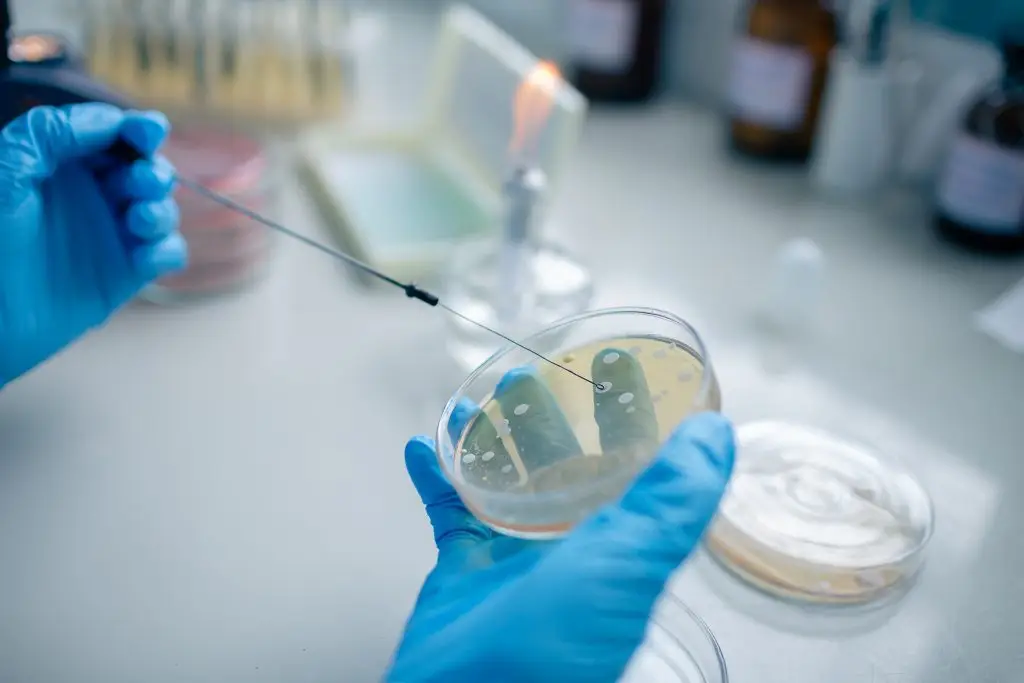

Water testing services Manhattan provide valuable insight into the quality of the tap water. For families, there is perhaps no greater priority than the safety of the water their children drink and use every day. In a complex urban environment like New York City, it is easy to assume that because the water is high quality when it leaves the city’s treatment plants, it must be equally pristine when it reaches the kitchen tap.
Unfortunately, this is often where the “last mile” of infrastructure—the aging service lines and internal plumbing of older apartment buildings or homes—can introduce hidden risks. Learning about water quality issues after a health concern or a plumbing failure occurs is a reactive position that no family should have to take.
The Power of Proactive Awareness
You do not need to wait for a “boil water” notice or a noticeable change in taste to take control of your home’s water safety. Proactive management starts with understanding the “why” and “how” of your home’s water quality.
- Move Beyond Visual Guesswork: Contaminants like lead, arsenic, and certain bacteria are invisible, odorless, and tasteless. Never rely on the color or clarity of your water as a safety indicator.
- Know Your Building’s History: If you live in an older structure, research when your building’s plumbing was last updated. Homes built before the 1990s are more likely to have materials that can leach metals over time.
- Establish a Baseline: The most important step a family can take is to conduct a certified professional water analysis. This provides you with an objective “report card” for your home, allowing you to identify any specific contaminants rather than guessing at potential risks.
Immediate, Low-Cost Safety Habits
While you wait for testing data, or as part of your ongoing daily routine, you can significantly reduce your family’s exposure with a few simple, science-backed habits:
- The “Cold Water” Rule: Never use hot water from the tap for drinking, cooking, or mixing baby formula. Hot water is much more aggressive at leaching metals, like lead or copper, from your pipes and solder.
- Flush After Inactivity: If your taps haven’t been used for several hours—such as overnight or during the school day—run the cold water for 1–2 minutes before using it. This flushes out the water that has been sitting in contact with your plumbing.
- Clean Your Aerators: The mesh screens at the end of your faucets (aerators) are designed to improve flow, but they can also trap sediment and particles over time. Periodically unscrewing and cleaning these screens helps prevent trapped contaminants from entering your glass.
- Verify Your Filtration: If you use a water filter, ensure it is NSF/ANSI-certified for the specific contaminants you are concerned about. A filter that is not properly maintained or is not rated for your specific issue can quickly lose its effectiveness.
Taking Control of Your Environment
You are your family’s most effective advocate. By choosing to move from “trusting the system” to “verifying the quality,” you are choosing to protect your family’s health with data rather than uncertainty.
If you are ready to get the clear, laboratory-certified facts about the water in your home, contact our team at Olympian Water Testing of Queens. We specialize in helping families understand their unique home infrastructure, turning anxiety into a clear, manageable plan for your household’s safety.
For more information on how to interpret water quality results and maintain your home’s infrastructure, visit our FAQ section.
Are you interested in identifying if your home’s plumbing material is a potential source of lead or other heavy metals, and would you like to know how to schedule a professional sampling appointment?