A certified water testing laboratory NYC can uncover those hidden threats long before they cause harm. Clear water is not the same as safe water, and that difference matters more than most people realize.
This guide explains how a professional lab detects contaminants you cannot see, smell, or taste, and why early detection protects your family, your tenants, and your property. You will learn what these labs test for, how the process works, and why acting before symptoms appear is always the smarter choice.
Why Clear Water Can Still Be Dangerous
New York City provides excellent municipal water, sourced from protected upstate reservoirs and treated to strict standards. The problem rarely starts at the source. It begins after that clean water enters the private plumbing inside your building and travels through pipes that may be decades old.
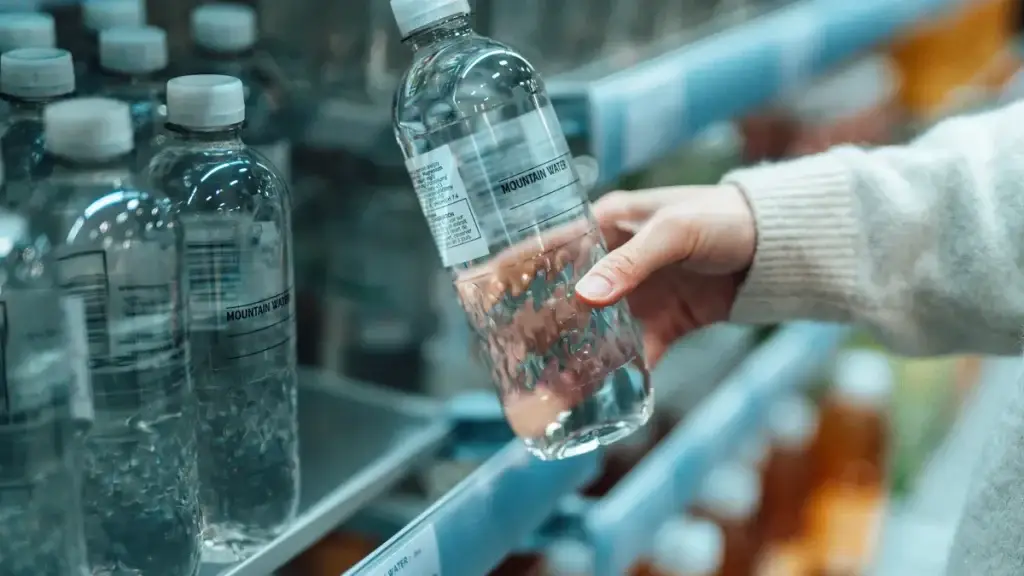
The most dangerous contaminants share one troubling trait: they hide in plain sight. Lead dissolves into water without changing its color or flavor. Bacteria multiply invisibly. Certain chemicals leave no trace your senses can catch. By the time water shows obvious signs of trouble, contamination has often reached a serious level. A laboratory catches what your eyes and nose cannot.
What Is a Water Testing Laboratory?
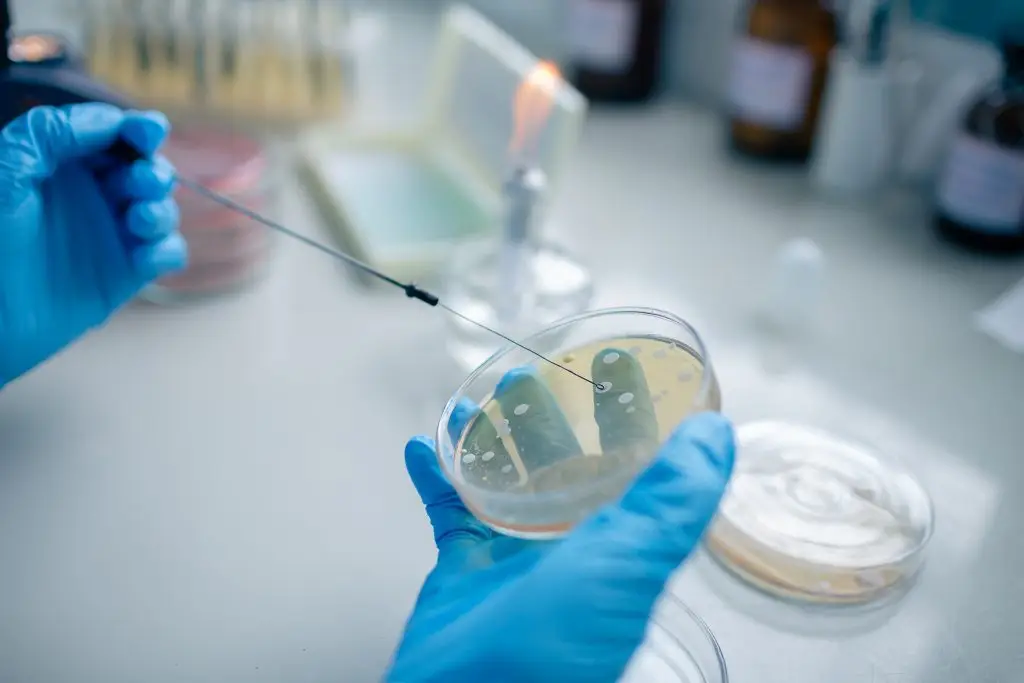
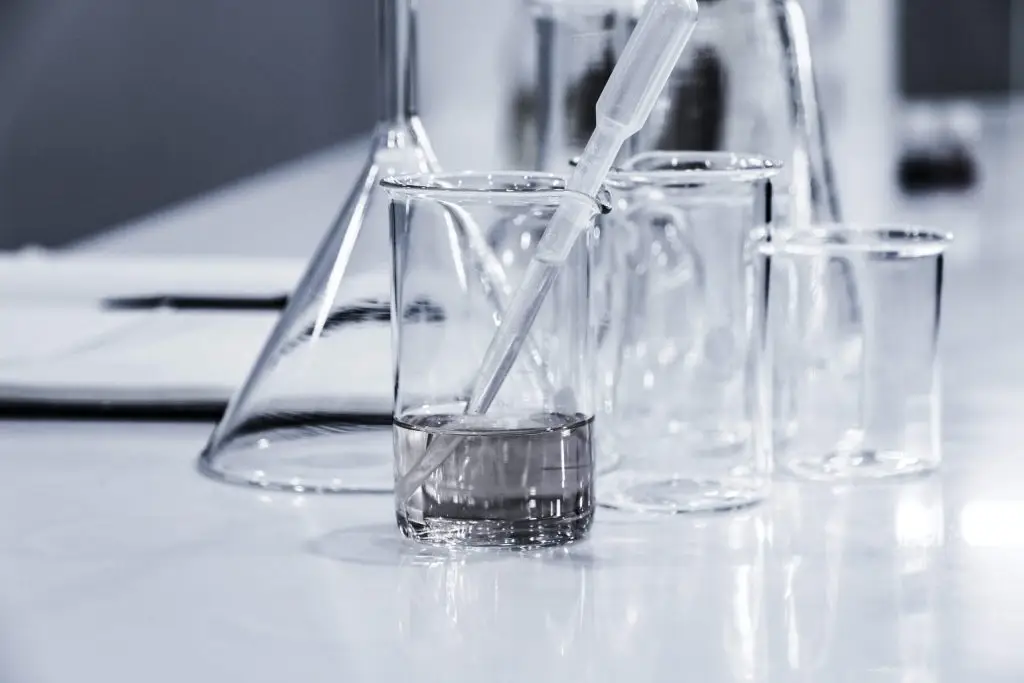
A water testing laboratory is a certified facility that analyzes water samples with precision instruments and proven scientific methods. Trained analysts measure the exact concentration of metals, bacteria, chemicals, and minerals in your water and compare each result against federal and state safety limits.
The key word is precision. A lab does not guess or estimate. It delivers hard numbers backed by accredited procedures, which means you receive results you can actually trust. That accuracy separates professional testing from the guesswork of drugstore strips and gives you a solid foundation for any decision you make.
The Hidden Contaminants a Lab Detects
Understanding what a laboratory looks for helps you appreciate why professional testing matters. Each contaminant below can affect your health while leaving no obvious clue at the tap.
Lead
Lead remains the most serious hidden threat in older NYC buildings. Many properties still connect to the city main through lead service lines, and plumbers used lead solder freely until the 1986 federal ban. As these materials corrode, lead particles dissolve into your drinking water without any change in appearance or taste.
Lead has no safe level. Even small amounts damage children’s brain development and cause serious problems in adults over time. A laboratory measures lead in parts per billion, catching concentrations far too small for any home kit to detect reliably.
Bacteria and Pathogens
Coliform bacteria and E. coli enter water through cracks, leaks, and backflow in aging plumbing. These organisms cause illness quickly, and they thrive in the corroded sections common to older buildings. A lab confirms their presence with methods that no test strip can match, giving you the certainty you need to act fast.
Chemical Contaminants
Nitrates, volatile organic compounds, and disinfection byproducts fall into this category. Some enter through the supply, while others form inside the plumbing itself. Several of these chemicals pose special risks to infants and pregnant women, which makes accurate detection essential rather than optional.
Copper and Other Metals
Acidic water pulls copper from pipes and raises levels in your drinking water. High copper intake causes stomach discomfort and, over long periods, more serious effects. A laboratory identifies these metals precisely, along with iron, manganese, and others that corroding pipes release.
How the Laboratory Process Works
Professional testing follows a careful sequence, and each step protects the accuracy of your results. Understanding the process shows you why lab work delivers answers you can rely on.
Sample Collection
The process starts with proper sampling. A trained technician often collects a first-draw sample after water sits still overnight, because metals concentrate when water remains motionless in pipes. Correct collection matters enormously, since a poorly gathered sample produces misleading numbers no matter how good the lab is.
Laboratory Analysis
The samples then travel to an accredited facility, where analysts use advanced instruments to measure each contaminant. This equipment detects concentrations in the parts-per-billion range, a level of sensitivity that home kits simply cannot reach. The lab follows standardized procedures that guarantee consistent, defensible results.
Reporting and Interpretation
The final report translates raw data into clear findings. A knowledgeable expert compares each reading against safety limits, explains what the numbers mean for your specific situation, and recommends a practical next step. This interpretation transforms a page of figures into a plan you can actually follow.
Why Early Detection Protects Your Health
The greatest value of laboratory testing lies in timing. Contaminants rarely announce themselves. They build up quietly, and the health effects often appear only after long exposure. By the time you notice a symptom, the damage may already be underway.
Early detection breaks that pattern. When a lab identifies a problem before it affects anyone, you gain the chance to fix it first. You can install the right filter, replace a corroded pipe, or upgrade a service line while everyone stays healthy. Prevention always costs less than treatment, both in dollars and in wellbeing.
Who Benefits Most From Laboratory Testing
Every NYC resident gains from knowing what flows through their pipes, but some groups face higher stakes than others.
- Families with young children: Kids absorb lead and other toxins more readily, which makes early detection critical.
- Property managers: You supply water to many households and carry a legal duty to keep it safe.
- Residents of prewar buildings: Older plumbing raises the odds of lead, corrosion, and bacterial contamination.
- Pregnant women: Certain contaminants pose specific risks during pregnancy and demand accurate measurement.
- Anyone with unexplained illness: Recurring symptoms with no clear cause may trace back to the water.
If you fall into any of these groups, laboratory testing moves from a good idea to a genuine priority.
Why Home Kits Fall Short
Store-bought test kits promise quick answers, but they cannot replace a certified laboratory. A color-changing strip cannot measure lead in the tiny concentrations that matter, and it misses many bacterial and chemical contaminants entirely.
These kits also skip interpretation. A number without context can mislead you into false comfort or unnecessary alarm. A laboratory pairs precise measurement with expert analysis, so you understand not only what your water contains but what you should do about it. That combination is exactly what protects your health.
When to Schedule Laboratory Testing
Certain moments make professional testing especially wise. Keep these situations in mind so you never miss an important checkpoint.
- When you move into a new home, particularly an older building.
- After plumbing repairs, pipe replacement, or major renovation.
- When you notice any change in taste, smell, color, or pressure.
- Following flooding or a nearby water main break.
- At least once a year as a routine baseline check.
Annual testing builds a reliable record and helps you catch shifts in water quality early, long before they threaten anyone’s health.
Take Control of Your Water Quality Today
Hidden contaminants thrive on inattention. They cause the most harm when no one thinks to look for them, which is exactly why professional laboratory testing matters so much. You cannot manage a threat you cannot see, and a certified lab gives your water the clarity your senses never could.
Your health, your family, and your tenants deserve that certainty. If you live or own property in New York City, treat laboratory testing as a smart, proactive habit rather than a reaction to trouble. Reach out to a trusted local team, request a thorough analysis, and gain the reliable answers that let you drink every glass with real confidence.