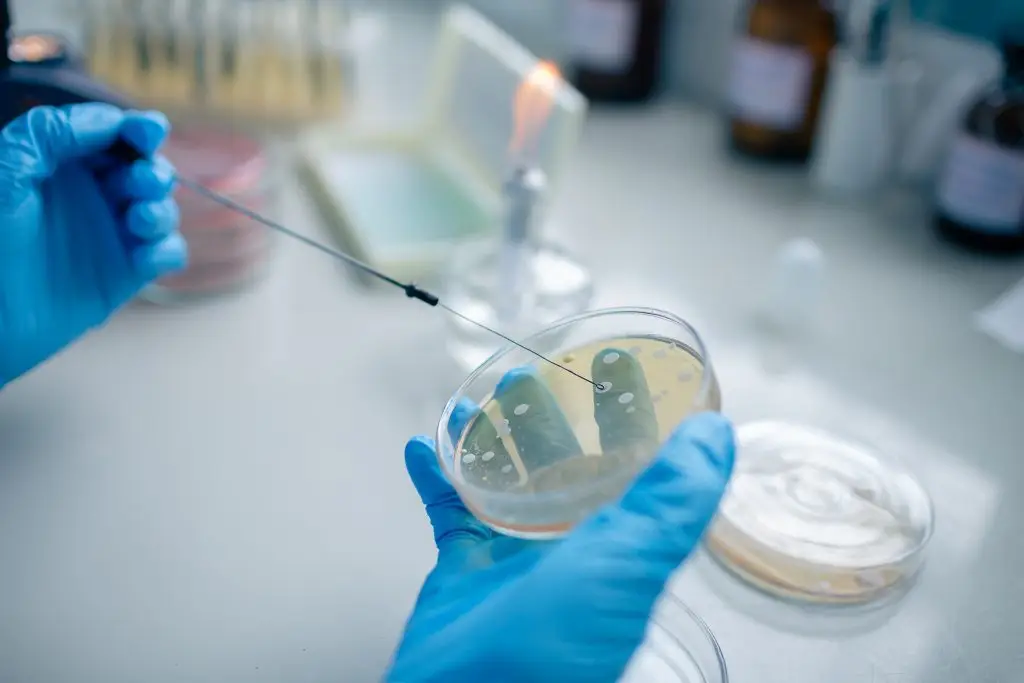

Rego Park is a neighborhood defined by its mix of classic 1930s apartment blocks, cozy multi-family homes, and modern high-rise developments, and water testing companies Queens can help residents better understand how renovations may affect water quality. As we move through 2026, many of these properties are undergoing significant interior renovations. For the homeowner or co-op resident, a “gut renovation” is an exciting step toward modernization. However, behind the new marble countertops and designer fixtures, these renovations can quietly change the chemistry and safety of your water.
In a neighborhood where aging infrastructure meets modern upgrades, understanding how construction impacts your water quality problems is essential for every resident.
The Patchwork Plumbing Problem
Many Queens property types in Rego Park were built between the 1920s and the 1960s. During a renovation, it is common to replace old galvanized steel or copper pipes with modern materials like PEX or CPVC. While these materials are durable, the transition points where the new plumbing meets the old building risers become critical areas of concern.
- Physical Disturbance: The vibrations from cutting pipes and installing new lines can knock “scale” (mineral buildup) loose from the building’s original vertical mains. This scale often contains trapped lead or iron, which then flows directly into your brand-new faucets.
- Galvanic Corrosion: When new copper or plastic lines are connected to older galvanized steel without the proper dielectric unions, it can accelerate corrosion in the old pipes, leading to a sudden decrease in water quality.
- Stagnation During Construction: Renovations often take months. During this time, water sits stagnant in the pipes. As highlighted in recent 2026 studies, stagnant water allows chlorine to dissipate, creating a breeding ground for biofilms and bacteria.
The “New Fixture” Lead Risk
It is a common misconception that a new faucet is automatically “lead-free.” While modern standards are strict, older “new” stock or certain brass components can still leach trace amounts of lead. Furthermore, if the renovation didn’t include replacing the service line (the pipe connecting your home to the street), you may still be at risk.
In April 2026, the NYC Council introduced Int 0870-2026, a bill requiring property owners to replace lead service lines within 10 years. For Rego Park residents, a renovation is the ideal time to coordinate with testing services to ensure that your modern home isn’t being fed by a 70-year-old lead pipe.
Identifying Issues Post-Renovation
Once the contractors have left, Rego Park residents should keep a close eye on their tap. Certain “tells” suggest that the renovation has impacted your water:
- Metallic Taste: Often a sign of leaching from newly disturbed copper or older iron pipes.
- Sputtering Faucets: This suggests air or sediment is trapped in the lines, often a byproduct of the plumbing being opened and closed repeatedly.
- Reduced Flow in Aerators: If your high-end showerhead feels weak, it’s likely clogged with debris knocked loose from the building’s old mains during construction.
Because these issues are often invisible, many families check our locations page to see how their specific block’s infrastructure age might be contributing to these post-renovation spikes.
Why Professional Analysis is the Final Step
A renovation isn’t truly complete until you’ve verified that the water is safe. A professional water analysis provides a “clean bill of health” for your new plumbing. It identifies if the construction process introduced lead, copper, or bacterial contaminants into your system.
Many residents consult our faq to understand why a “first draw” test is particularly important after a renovation, as it captures the water that has been sitting in your new fixtures overnight. Following a local water blog also helps residents stay updated on Rego Park’s ongoing utility and sewer work, which can further impact water quality during the renovation window.
Protecting Your Investment and Your Health
Your home renovation is a major investment in your quality of life. Don’t let aging pipes behind the walls compromise that investment. If you have recently renovated or are planning a project in Rego Park, ensuring your water quality is part of the plan is vital.
To move beyond guesswork and ensure your new tap provides truly clean water, contact us for a professional post-construction water audit. In 2026, a modern home deserves modern water standards.