Manhattan delivers water from some of the best-protected reservoirs in the nation, yet what reaches your faucet can look very different from what leaves the treatment plant. A qualified water testing consultant Manhattan helps you understand exactly what flows through your pipes and whether it meets the safety standards your family deserves. Water analysis sounds technical, but the basics are easier to grasp than most people expect.
This guide breaks down the essentials every Manhattan resident should know. You will learn what water testing measures, why it matters in a borough full of historic buildings, and how to read the results that shape your health and your home. Whether you own a condo, rent an apartment, or manage a property, these fundamentals give you the confidence to make smart decisions.
What Is Water Analysis?
Water analysis is the process of examining a water sample to identify what it contains beyond simple hydrogen and oxygen. Certified labs test for metals, minerals, bacteria, chemicals, and physical properties that affect safety and taste. The goal is simple: confirm that your water is safe to drink and pinpoint any problems that need attention.
Think of it as a health checkup for your water. Just as a blood test reveals what your body cannot show on the surface, a water analysis uncovers contaminants you cannot see, smell, or taste. That hidden layer is exactly where the most serious risks tend to live.
Why Manhattan Residents Need to Pay Attention
New York City treats its water carefully and monitors the supply at the source. The catch is that the city tests the water in its mains, not the water inside your specific building. Once that clean supply enters Manhattan’s private plumbing, it can change dramatically.
Manhattan holds thousands of prewar buildings, many built long before modern plumbing standards. These structures often carry original pipes, aging fixtures, and service lines that predate the 1986 federal lead ban. The distance between the city main and your kitchen tap is short, but it can transform your water quality in ways only a direct test can reveal.
The Key Things Water Analysis Measures
A complete analysis covers several categories. Understanding each one helps you read your results and know what to ask when you review a report.
Heavy Metals
This category includes lead, copper, and other metals that leach from corroding pipes and solder. Lead ranks as the top concern because it carries no safe level and causes lasting harm, especially to children. Copper matters too, since acidic water can pull it from pipes and cause both stomach issues and staining.
Bacteria and Microorganisms
Labs check for coliform bacteria and E. coli, which signal possible contamination from cracks, leaks, or backflow. These organisms can cause illness quickly, so their presence demands immediate action. Older plumbing with corroded sections offers ideal spots for bacteria to settle.
Chemical Contaminants
Nitrates, chlorine byproducts, and volatile organic compounds fall into this group. Some enter through the supply, while others form inside the plumbing. Certain chemicals pose special risks to infants and pregnant women, which makes accurate measurement essential.
Physical and Mineral Properties
This category covers pH, hardness, and total dissolved solids. These readings do not always signal danger, but they shape how your water tastes, how it treats your appliances, and how corrosive it is to your pipes. A low pH, for example, speeds up metal corrosion and raises your risk of lead exposure.
Understanding the Most Common Measurements
When you receive a water report, a handful of terms appear again and again. Learning what they mean turns a confusing page of numbers into useful information.
- pH: Measures how acidic or basic your water is. A reading below 7 is acidic and can corrode pipes, while a reading above 7 is basic.
- Parts per million (ppm) and parts per billion (ppb): Show the concentration of a contaminant. Lead limits, for instance, are measured in the tiny ppb range because even small amounts matter.
- Total dissolved solids (TDS): Reflect the combined minerals and salts in your water and influence taste and clarity.
- Hardness: Indicates calcium and magnesium levels that cause scale buildup on fixtures and appliances.
- Turbidity: Measures cloudiness, which can point to suspended particles or contamination.
You do not need to memorize every unit. You simply need enough familiarity to spot a reading that crosses a safety limit and to ask the right follow-up questions.
How Professional Testing Works
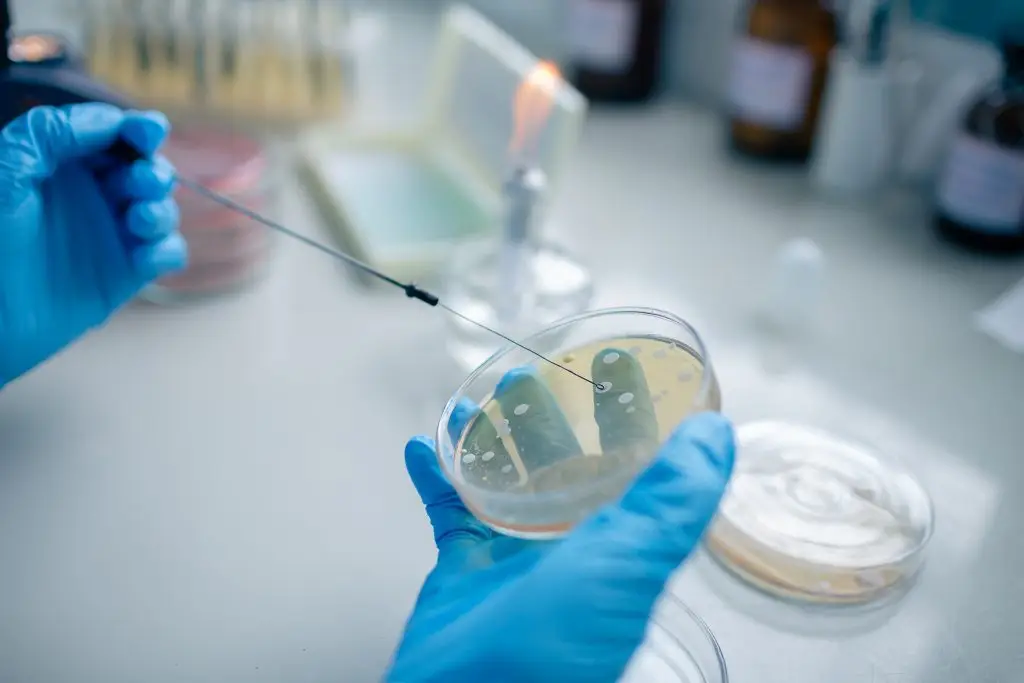
Professional water analysis follows a careful process that home test strips cannot match. The steps matter because sloppy sampling produces misleading results.
A technician collects samples using proper methods, often including a first-draw sample taken after water sits overnight. This approach captures the highest contaminant levels, since metals concentrate when water sits still in pipes. The samples then travel to an accredited laboratory, where trained analysts measure each contaminant with precise equipment.
The final report translates those measurements into clear findings. A knowledgeable consultant reviews the numbers against federal and state limits, explains what each result means for your specific situation, and recommends a practical next step. That interpretation is where real value lives, because raw data alone rarely tells the full story.
Why Home Test Kits Are Not Enough
Drugstore and hardware store kits appeal to anyone who wants a fast, cheap answer. Unfortunately, they deliver limited accuracy and miss many serious contaminants. A color-changing strip cannot measure lead reliably, and it cannot confirm whether a bacterial reading crosses a dangerous threshold.
These kits also skip the interpretation step entirely. A number without context can mislead you into false confidence or needless worry. Professional analysis removes that guesswork and gives you results you can actually trust and act on.
What Property Managers Should Know
Managing a Manhattan building comes with added responsibility. You supply water to many households, and each tenant trusts you to keep it safe. A large building also holds far more piping, which multiplies the chances for corrosion and contamination.
Regular testing protects your residents and supports your legal standing. It helps you catch problems early, plan repairs on your own schedule, and demonstrate that you take tenant safety seriously. In older buildings especially, routine analysis is a smart part of responsible management rather than an optional extra.
When You Should Test Your Water
Certain moments call for a fresh analysis. Keep this short list in mind so you never overlook a key opportunity.
- When you move into a new home or apartment, especially in an older building.
- After any plumbing repair, pipe replacement, or major renovation.
- When you notice changes in taste, smell, color, or water pressure.
- After flooding or a nearby water main break.
- At least once a year as a baseline, even when nothing seems wrong.
Annual testing gives you a reliable record and helps you spot changes over time. Water quality is not static, and a yearly check keeps your information current.
Turning Knowledge Into Action
Understanding water analysis basics puts you ahead of most residents who simply assume their water is fine. You now know what testing measures, how to read the common terms, and when a professional analysis makes the most sense. That knowledge is the first step toward genuine peace of mind.
Clean, safe water supports everything from your morning coffee to your family’s long-term health. If you live or own property in Manhattan, treat water testing as a practical part of caring for your home. Connect with a qualified local expert, request a thorough analysis, and gain the clear, reliable answers that let you drink, cook, and live with total confidence.