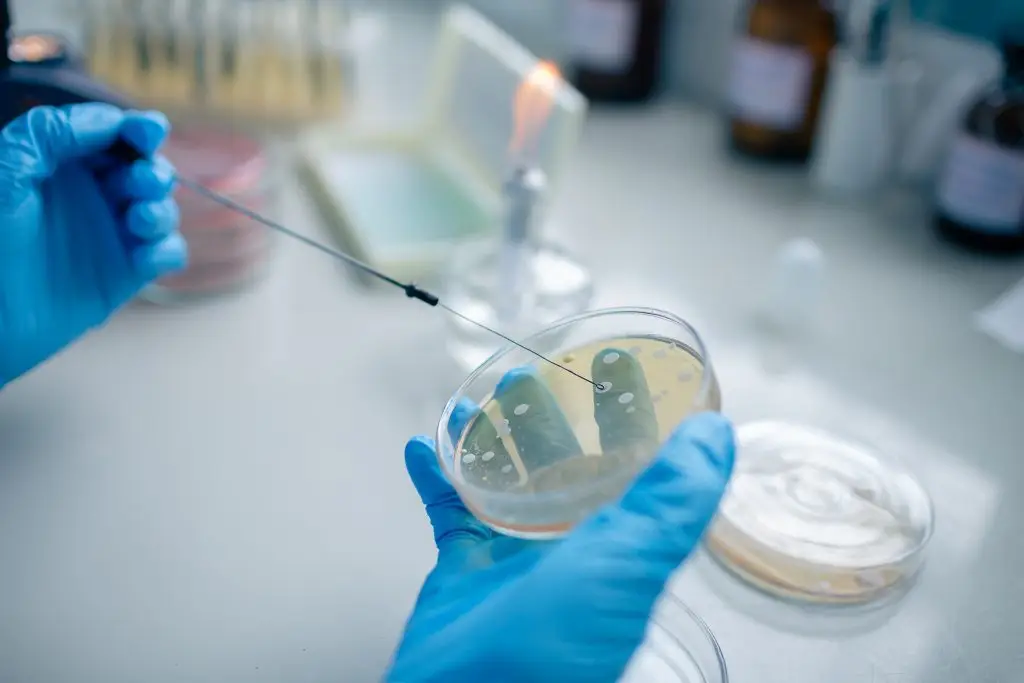

If your tap water in Manhattan smells like a swimming pool, you are not imagining it, and you are not alone. That sharp chlorine odor is one of the most common water complaints in the borough, and a water testing laboratory Manhattan can confirm exactly what is coming out of your faucet. This guide explains why the smell happens, whether it signals a real problem, and how homeowners, property managers, and residents can take control of their water quality with confidence.
Where Manhattan Tap Water Comes From
New York City supplies some of the most closely monitored drinking water in the country. Most of it travels from the Catskill and Delaware watersheds and the Croton system, moving through large aqueducts and tunnels before it reaches taps across Manhattan. The city treats this water to meet strict federal and state safety standards, and part of that treatment involves adding chlorine.
Chlorine serves a clear purpose. It kills bacteria, viruses, and other microorganisms that can cause illness. Water travels long distances and sits in pipes and tanks for hours, so the city adds enough chlorine to keep the water safe from the reservoir all the way to your kitchen sink. The trade-off is a familiar smell that many residents notice the moment they fill a glass.
Why the Chlorine Smell Gets Stronger at Certain Times
The chlorine odor is not always constant. Several factors change how strong it feels on any given day.
Seasonal Treatment Adjustments
Warmer weather encourages bacterial growth in the distribution system. To keep the water safe during summer months, water utilities sometimes increase chlorine levels or switch disinfection methods. Residents often report a stronger pool-like smell in late spring and summer for this reason.
Your Location in the Distribution System
Water closer to a treatment or booster point may carry a higher chlorine concentration than water at the end of a long pipe run. Two apartments in different Manhattan neighborhoods can taste noticeably different on the same day.
Water Temperature
Cold water traps chlorine and masks the odor. Warm water releases it into the air. This explains why a hot shower can fill a bathroom with a chlorine scent that you never notice when you pour a cold glass of water.
How Recently Water Moved Through the Pipes
Water that sits overnight in your building plumbing behaves differently from fresh water. The first draw in the morning can smell stronger, or in some cases flatter, than water you run in the afternoon.
Is the Chlorine Smell Dangerous?
In most cases, a mild chlorine smell simply means the disinfection process is working as intended. The levels the city uses stay within safe limits set by the United States Environmental Protection Agency. Many residents drink chlorinated tap water for years with no health effects at all.
That said, the smell can point to other issues in specific buildings, especially older ones. The chlorine itself is not the only concern. What the chlorine reacts with inside your pipes and tanks matters just as much. This is where testing moves from a nice idea to a smart decision.
Manhattan Buildings Create Their Own Water Quality Challenges
Manhattan holds a huge stock of older buildings, and the plumbing inside those buildings shapes the water you drink. City water may leave the main line in excellent condition and still pick up problems on the way to your tap.
- Rooftop water tanks: Many Manhattan buildings store water in wooden or steel rooftop tanks. Poorly maintained tanks can collect sediment, bacteria, and debris that change the taste and smell of the water below.
- Lead service lines and fixtures: Older buildings may still contain lead pipes, lead solder, or brass fixtures that leach lead into standing water. Lead has no smell, so a chlorine odor can distract you from a risk you cannot detect on your own.
- Aging internal plumbing: Corroded pipes add metallic tastes, rust, and particles. Chlorine reacts with organic buildup inside these pipes and can produce byproducts worth measuring.
- Long vacancy periods: Water that sits in an empty unit or a rarely used line stagnates and develops off odors that go beyond simple chlorine.
Property managers face these issues at scale. One complaint about a chlorine smell often signals questions about tank maintenance, pipe condition, and tenant safety across an entire building.
Chlorine Versus a Rotten Egg or Musty Smell
Not every water odor is chlorine, and telling them apart helps you respond correctly. A strict read of the smell gives you your first clue.
- Pool or bleach smell: This points to chlorine and usually reflects normal disinfection.
- Rotten egg or sulfur smell: This often signals bacteria in the plumbing, the water heater, or a drain rather than the city supply.
- Musty or earthy smell: This can come from organic matter in the source water or from buildup inside tanks and pipes.
- Metallic smell or taste: This suggests corrosion and possible metal contamination such as iron, copper, or lead.
A chlorine smell paired with any of these other odors deserves a closer look. Your nose gives you a starting point, but only laboratory analysis gives you the numbers.
How to Reduce the Chlorine Smell at Home
If testing confirms that chlorine is your only issue, several simple steps can improve the taste and smell of your water right away.
- Refrigerate an open pitcher: Chlorine dissipates into the air over time, so water left uncovered in the fridge for a few hours often loses much of its odor.
- Use an activated carbon filter: A quality pitcher filter, faucet filter, or under-sink system reduces chlorine and improves taste.
- Run cold water briefly before drinking: Flushing standing water from the line brings in fresher water and clears out anything that sat overnight.
- Ventilate during hot showers: A fan or open window clears the chlorine scent that warm water releases into the bathroom air.
These fixes address the smell, but they do not tell you what else may be present. That distinction matters for your health and your peace of mind.
When to Call a Water Testing Laboratory in Manhattan
Professional testing turns guesswork into facts. Consider scheduling an analysis in any of the following situations.
- You notice a sudden or unusual change in smell, taste, or color.
- You live in an older building and worry about lead or aging pipes.
- You manage a property and want documented results for tenants or records.
- Someone in your home is pregnant, an infant, elderly, or has a weakened immune system.
- You rely on a rooftop tank and want to verify its condition.
- You plan to install a filtration system and want to target the right contaminants.
A certified laboratory measures chlorine, chlorination byproducts, lead, bacteria, metals, pH, hardness, and more. The results give you a clear profile of your water instead of a guess based on smell alone. Property managers gain documentation that protects tenants and supports smart maintenance decisions. Homeowners gain the confidence to drink, cook, and bathe without second-guessing every glass.
Take the Guesswork Out of Your Tap Water
A chlorine smell in Manhattan tap water usually means the disinfection process is doing its job, but the smell can also hide the questions that matter most, from lead to tank contamination to corroded plumbing. You deserve real answers rather than assumptions. Certified water testing identifies exactly what flows from your faucet, explains the results in plain language, and gives you a clear path forward. Whether you own your home, rent an apartment, or manage a building full of tenants, professional analysis protects the people who depend on that water every day. Schedule a test, read the numbers, and take control of your water quality with certainty.